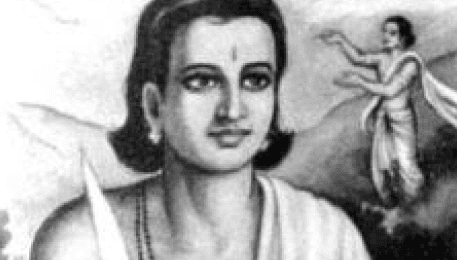
Meghdoot (5th Century CE)
Kālidāsa's timeless tale of love and longing, as a cloud carries a message across India's landscapes.
"Meghdoot" (Sanskrit: मेघदूतम्), meaning "Cloud Messenger," is a renowned lyric poem by Kālidāsa, one of the greatest classical Sanskrit poets of the 5th century CE. This work is celebrated for its unique narrative structure and profound emotional resonance.
The poem tells the sorrowful tale of a yakṣha - a celestial being - who, due to a curse, is exiled to a remote mountain for a year. Overcome with longing for his wife in the distant city of Alakā, he implores a passing monsoon cloud to deliver a message of love and reassurance to her. The yakṣha meticulously describes the cloud's journey, detailing the landscapes, rivers, and cities it will traverse en route to Alakā. This vivid portrayal not only conveys his deep yearning but also paints a rich tapestry of India's geography and culture.
"Meghdoot" explores themes of separation (viraha), longing, and the enduring power of love. The yakṣha's emotional turmoil and hope for reunion resonate universally, capturing the essence of human emotions. The poem also celebrates the beauty of nature, intertwining the physical journey of the cloud with the emotional journey of the protagonist.
Kālidāsa's "Meghdoot" is notable for its innovative narrative technique, weaving a series of stanzas into a cohesive story - a departure from the traditional short lyric form. This structure inspired the genre of messenger poems (Sandesa Kavya) in Sanskrit literature. The poem's graceful meter and evocative imagery have earned it a revered place in literary history.
The influence of "Meghdoot" extends beyond Sanskrit literature. It has inspired adaptations and references in global art and literature, including works by German playwright Friedrich Schiller. The poem has been translated into multiple languages, allowing its themes and artistry to reach a diverse audience. Its enduring appeal lies in its universal exploration of love, longing, and the human connection to nature.
Kālidāsa's "Meghdoot" is a masterpiece that intricately weaves emotion, nature, and narrative innovation, leaving an indelible mark on both Indian and world literature.