| |
| |
|
|
| |
|
From Automation to Judgment: Turning Data and AI into Better
Decisions
|
|
|
|
September’s edition explores how organizations are moving beyond
automation to build systems that combine AI, data, domain expertise,
and human judgment to support better decisions.
|
|
|
|
From designing specialized AI agents for private credit and scaling
QIS analytics without adding headcount to strengthening trade
surveillance and transforming insurance risk engineering, this
month’s insights examine where technology can take on repetitive
work while keeping expertise at the center of critical decisions. We
also look at what airfare data reveals about the timing of flight
bookings and highlight perspectives from the 9th Global EXIM Summit
2026 on how AI, digital trade, and trusted data are reshaping global
commerce.
|
|
| |
|
|
| |
|
|
| |
|
|
| |
|
Automating private credit funding requests requires more than
extracting information from documents. The real challenge lies in
understanding which agreements govern a request, identifying
relevant amendments, validating calculations, and determining which
exceptions require human attention.
This article explores how five specialized AI agents can mirror the
work of a review team, making each stage of the process visible,
checkable, and auditable. Early testing on a limited sample reduced
the first automated pass from most of a skilled reviewer’s day to
well under an hour, while keeping the reviewer responsible for the
judgment that matters
|
|
For QIS and risk-tech platforms, obtaining fund holdings data is
increasingly routine. The bigger operational challenge is decoding
the many different disclosure formats before analysts can begin
validating the data.
This article examines how a combination of automated data
collection, AI-led standardization, and rule-based quality checks
reduced a holdings-data cycle from approximately 75 minutes to 30
minutes. It also explores a more practical build-versus-outsource
question: which capabilities represent genuine competitive
expertise, and which repetitive tasks can be automated while
analysts remain responsible for validation.
|
|
| |
|
|
| |
|
|
| |
|
|
| |
|
|
| |
|
Trade surveillance teams need to monitor large volumes of
communication while identifying potential compliance risks quickly
and consistently. Agentic AI creates an opportunity to move beyond
manual sampling and support more scalable surveillance across
complex communication environments.
This blog explores how AI-led call surveillance can strengthen trade
compliance by helping teams analyze interactions at scale, surface
potential exceptions, and focus human attention on conversations
that require closer review.
|
|
Risk engineering is evolving from periodic assessment toward
continuous, data-driven risk intelligence. By bringing together
engineering observations with claims, geospatial, climate,
operational, and other data, insurers can build a more dynamic
understanding of how exposures change over time.
This blog examines how analytics and AI can help insurers identify
emerging risks earlier, strengthen underwriting and pricing
decisions, prioritize high-risk accounts, improve loss prevention,
and develop a broader portfolio-level view of risk while keeping
engineering expertise central to the process.
|
|
| |
|
|
| |
|
|
| |
|
|
| |
|
|
| |
|
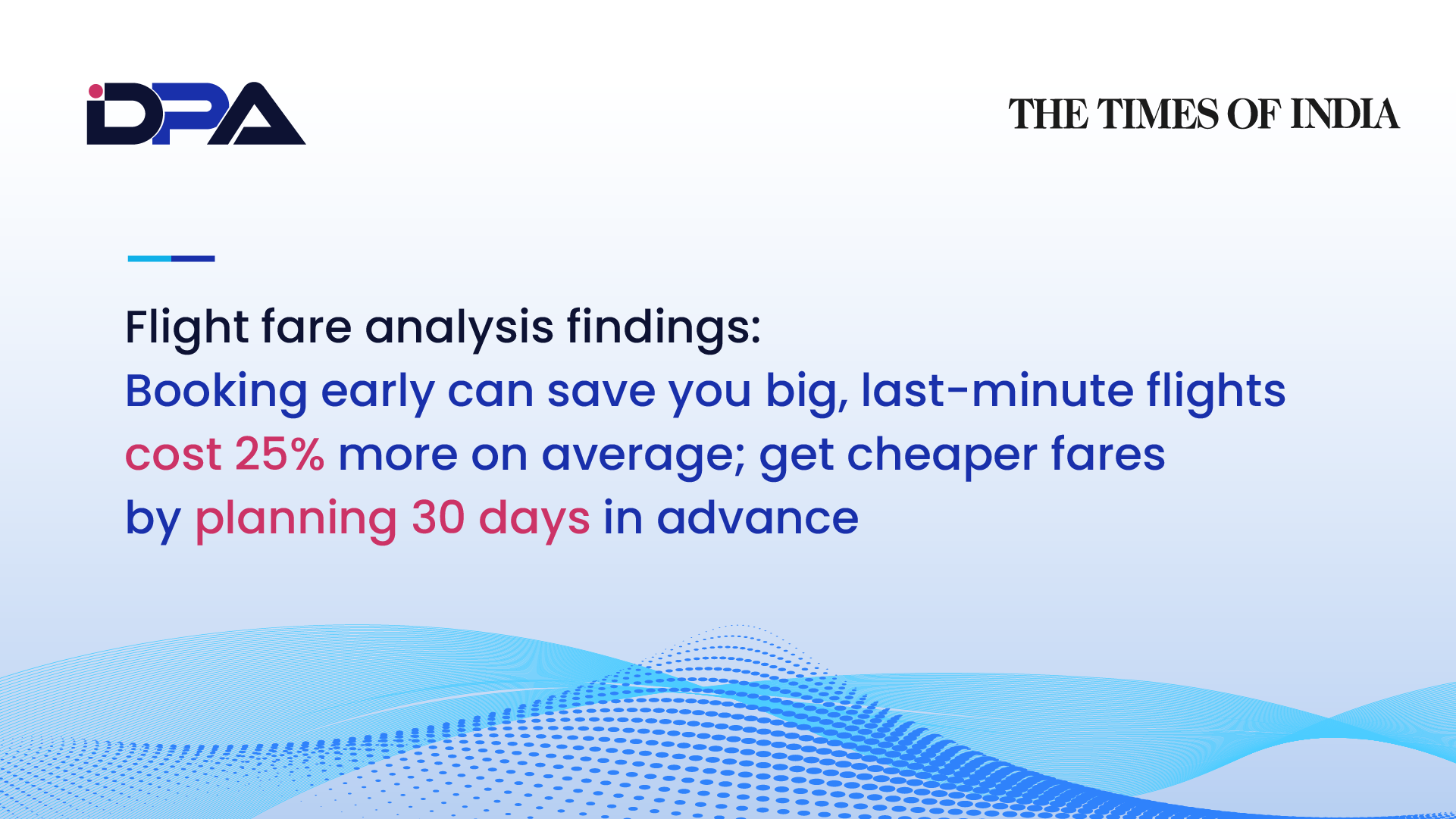
Analysis from the TOI-DPA Airline Price Index across 54 domestic
routes found a clear relationship between booking timing and
airfare. On the average route, booking approximately 30 days in
advance costs about 20% less than booking the day before departure,
while a passenger booking at the last minute pays roughly 25% more
than someone booking a month earlier
The analysis also shows that the impact varies significantly by
route, providing travelers with a more data-driven view of when
advance planning can make the biggest difference.
|
|
The TOI-DPA Airfare Index brings greater visibility to how domestic
airline prices change based on booking window, departure time, day
of the week, and route.
A joint initiative between The Times of India and Decimal Point
Analytics, the index analyzes economy-class fares across routes
connecting eight major Indian metros. By tracking multiple
advance-booking windows and route-level pricing patterns, it
provides a structured view of airfare movements, seasonal demand,
and the potential premiums or savings associated with different
booking decisions.
|
|
| |
|
|
| |
|
|
| |
|
|
|
|
|
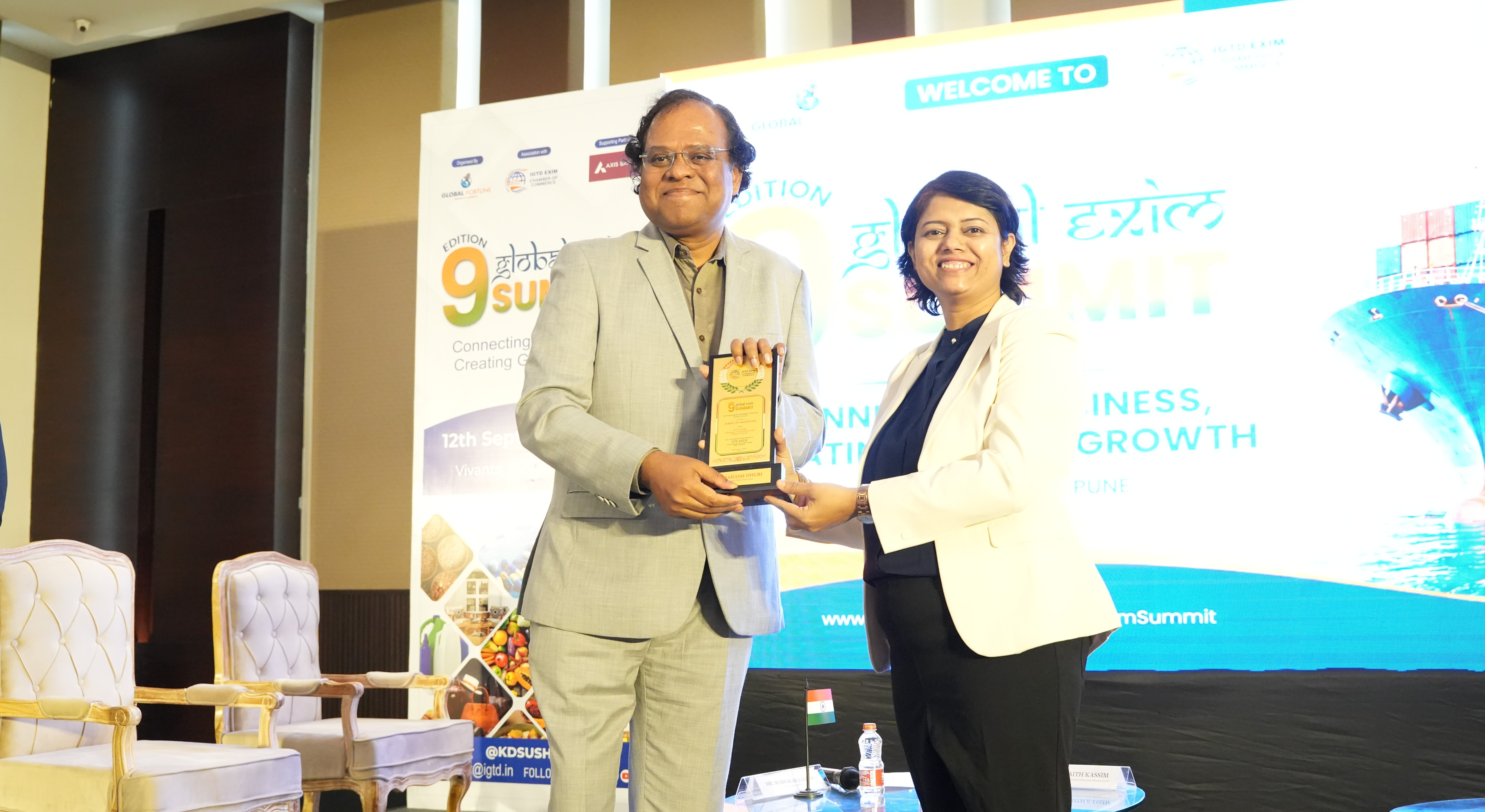
The session explored how AI, digital documentation, trusted data,
and sustainability requirements are changing international trade.
From HS classification and landed-cost simulation to compliance
dossiers and tariff scenario analysis, Shailesh highlighted how
technology can reduce operational friction while people remain
responsible for judgment, negotiation, relationships, and critical
decisions.
|
|
|
|
|
|
| |
|
|
| |
|
Contact us at [email protected]
|
|
|
|
Please add us to your address book to make sure you receive all our
emails! |
|
|
|
|
|
| |
|
|
|
Privacy Disclaimer
|
|
|
|
We receive and store information about you collected from our
third-party data providers using publicly accessible information. We
use the information to provide, analyse, administer, enhance and
personalize our services & marketing efforts to communicate with
you concerning our services and products. For more details regarding
our privacy guidelines, please read the privacy policy
and terms-of-use
on our website. In case you don't want us to contact you regarding
our services and products catalog, please email at [email protected]
to unsubscribe.
|
|
|
|
www.decimalpointanalytics.com
|
|
|
|
|